Yoga where children laugh
Animals, a story, and a moment of quiet at the end. Children learn to move, to breathe and to settle themselves — and never notice they’re learning anything.
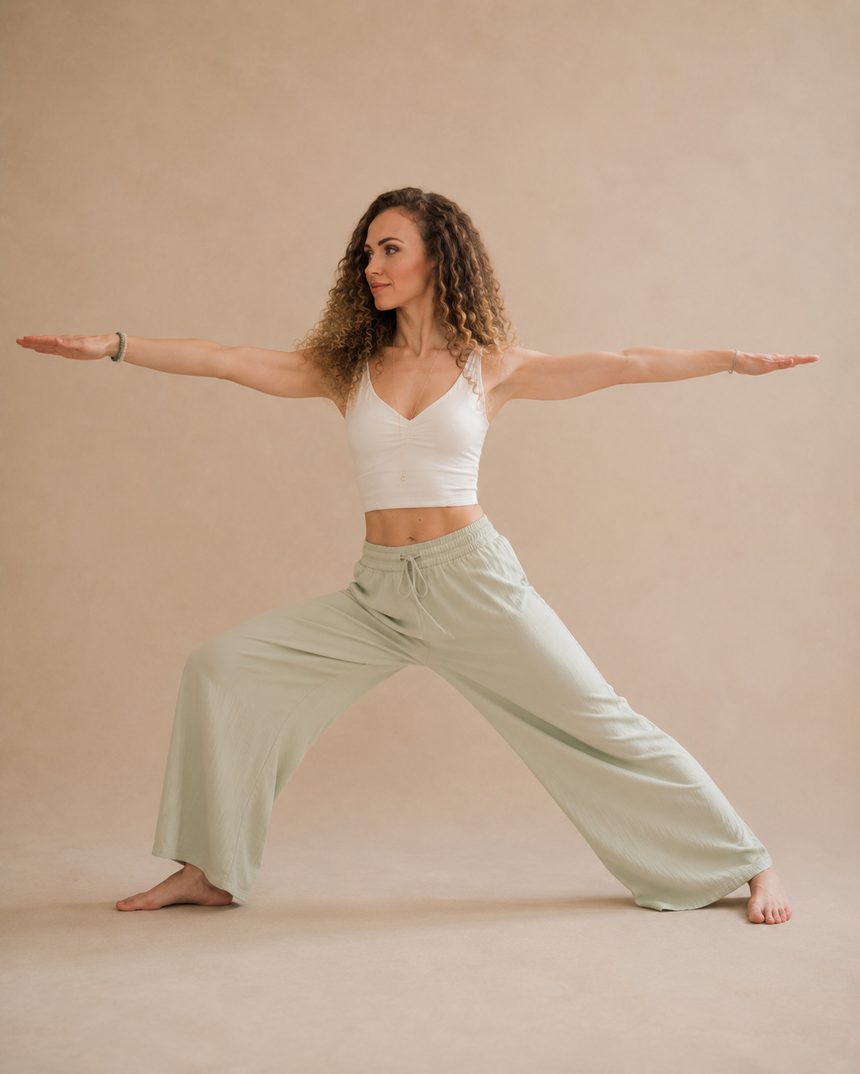
What makes it different
It isn’t exercise, it’s play
A child won’t hold a position because someone told them to. They’ll hold it when they’re a tree in a storm, or a cat stretching after a nap.
So the whole class runs as a story. Positions are animals and places, the breath is a bubble or a candle, balance is a game of who lasts longer. The children are doing exactly what adults do in yoga — they just don’t know it.
What they take away shows up somewhere other than the mat: in how they hold themselves, in confidence in movement, and — the part parents value most — in having their own way of settling down when it all gets to be a lot.
Play before performance.
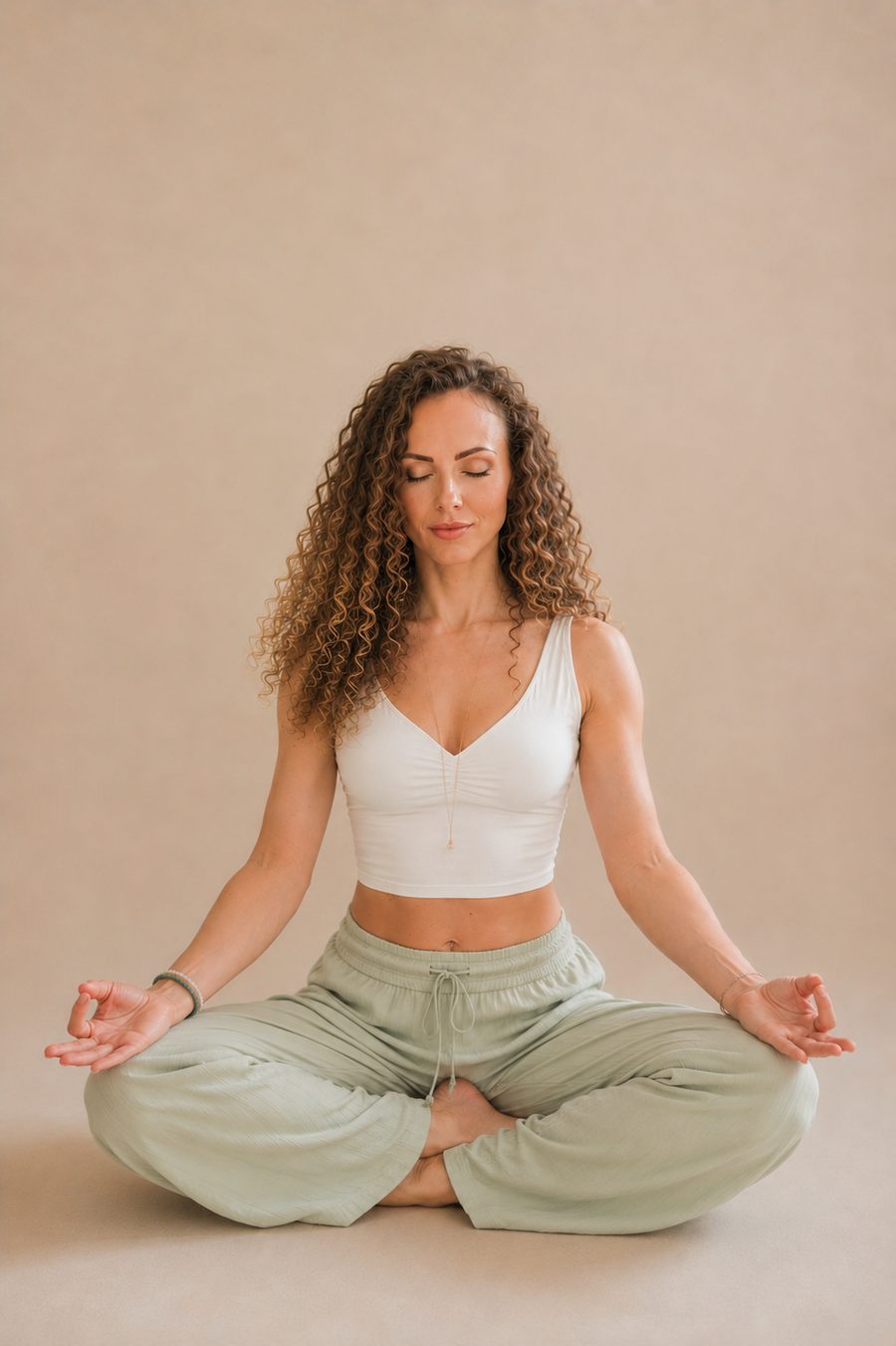
How a class runs
What a class looks like from beginning to end
The frame is always the same, so the children know what’s coming. The story, the animals and the games change.
Hello and circle
We sit in a circle and everyone says how they are today. Sometimes in words, sometimes just thumbs up or down.
Warm-up with animals
Cat, dog, snake, butterfly, frog. The body warms up before the children have time to notice.
A journey through a story
Positions strung into a tale. We cross a forest, wade a river, climb a hill — and along the way we cover the whole body.
A balancing game
Tree, warrior, swallow. If you wobble, nothing happens — that’s the fun part.
Breath like a bubble
Breathe in through the nose, breathe out as if blowing a bubble that mustn’t pop. Children remember this one at home before a test.
Rest under a blanket
Five minutes of quiet with eyes closed. Yes, it works. Yes, even with the liveliest ones.
By age
When to come and where your child belongs
Kids’ yoga, ages 3–9
A short class with plenty of play. The youngest can come with a parent the first time.
Yoga for teenagers, ages 10–16
More real yoga, less storytelling. Including work with tension in the neck and back — where it settles most in children today.
One to one, or for a group
A party, a school, a club — or a child who finds a group uncomfortable. I’ll come to you, or you come to the studio.
How I work
What I promise and what I don’t
- I promise no one will feel bad about not being able to do something.
- I promise I never force anyone into a position.
- I promise the children leave with a breath they can use on their own.
- I don’t promise it will be quiet for the whole hour. That wouldn’t be kids’ yoga.
- I don’t promise your child will do a handstand in a month. That isn’t the point.
There’s no need to bring a mat or props, everything is at the studio. Comfortable clothes and socks that come off quickly are enough.
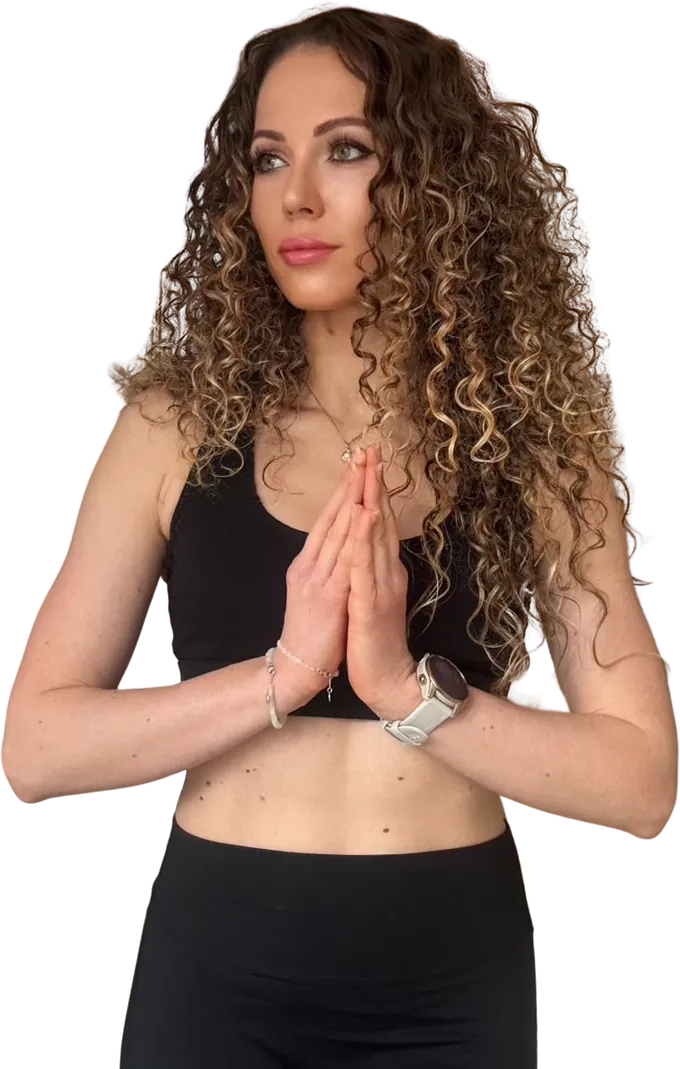
The question parents ask most is whether they can stay in the room. The first time, of course — sit at the back. Most children will see you out themselves after the second class.Gabi
Prices
How to begin
We arrange a time in advance and you pay on the spot.
- No commitment
- Props included
- Free cancellation up to 12 h before
- You save €5
- Change the date any time
- Transferable to a sibling
- A pace set by the child
- Good for siblings too
- Time by arrangement
Questions
What people ask me most
From what age can a child come?
From three. With three- and four-year-olds, expect the first classes to be mostly about getting used to it — and that’s perfectly fine.
Does my child need to be flexible or sporty?
No. In yoga there’s nothing to catch up on and nobody to be better than. Children who don’t enjoy sport usually take to it most.
Can I stay in the room with my child?
The first time, of course — sit at the back. Most children want to go in on their own after the second class.
What should my child bring?
Comfortable clothes, a water bottle, and socks that come off quickly. Mats and props are at the studio.
How long is a class?
45 minutes for younger children, 60 for teenagers. A shorter class isn’t less — it’s exactly as long as their attention holds.
What if my child doesn’t want to join in?
Nothing. They can sit and watch. They usually join in on their own after a while — and if not, next time tends to be different.
Shall we try?
Come to one class. In forty-five minutes you’ll know whether your child took to it.